
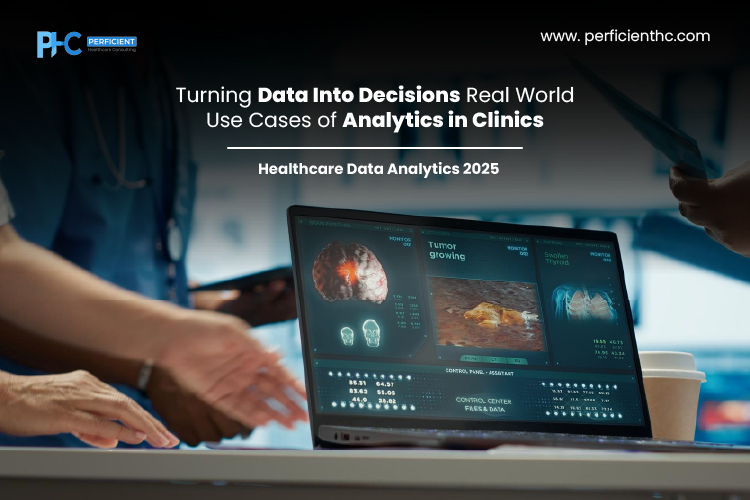
In today’s digital healthcare ecosystem, clinics are generating more data than ever before. From electronic health records to appointment logs and billing systems, every interaction creates insights that can transform care delivery. This is where healthcare data analytics becomes a game changer. By converting raw numbers into actionable strategies, clinics can improve patient outcomes, streamline operations, and make smarter business decisions.
Modern clinics are now embracing clinical data analytics and analytics in healthcare management to stay competitive and deliver higher quality care. The real power lies in understanding how this data can be used in practical, real world scenarios to support data driven decision making in clinics.
1. Improving Patient Flow and Reducing Wait Times
One of the biggest challenges clinics face is managing patient volumes efficiently. With medical practice analytics, clinics can analyze peak hours, appointment lengths, staff availability, and bottlenecks in the workflow.
Real world impact:
A clinic that noticed a daily spike in walk-ins between 10 AM and 12 PM used analytics to adjust staffing schedules. As a result, waiting time dropped by 35 percent and patient satisfaction significantly increased.
2. Enhancing Diagnosis Accuracy with Predictive Analytics
Clinical data analytics allows healthcare providers to identify patterns in symptoms, medical histories, and lab results to make earlier and more accurate diagnoses.
Real world impact:
A multispecialty clinic used predictive analytics to flag patients at high risk for diabetes. Early interventions improved health outcomes and reduced emergency visits.
3. Optimizing Revenue Cycle and Reducing Financial Leakage
Working with analytics in healthcare management, clinics can uncover issues such as delayed claims, coding errors, and frequently denied procedures.
Real world impact:
A mid sized clinic reduced claim denials by 28 percent after using analytics to track the most common rejection codes and retraining staff accordingly.
4. Improving Patient Retention Through Personalized Engagement
Using healthcare data analytics, clinics can track patient behavior, missed appointments, treatment preferences, and follow up patterns.
Real world impact:
Data showed that younger patients preferred digital reminders. After implementing SMS and app based notifications, the clinic improved appointment adherence by 40 percent.
5. Managing Inventory and Reducing Waste
Analytics help medical practices predict supply usage, anticipate shortages, and avoid overstocking.
Real world impact:
A clinic saved thousands annually by forecasting vaccine usage and preventing expiry related waste.
6. Tracking Provider Performance and Enhancing Quality of Care
Medical practice analytics allow clinics to review performance metrics including consultation times, diagnosis accuracy, procedure outcomes, and patient feedback.
Real world impact:
After analyzing provider performance trends, a clinic introduced targeted training programs that improved overall care ratings by 22 percent.
Conclusion
Turning raw data into meaningful insights is no longer optional. It is the future of modern clinical practice. Healthcare data analytics and clinical data analytics are empowering clinics to make accurate, timely, and strategic decisions that improve patient outcomes and operational efficiency. Whether it is improving diagnosis, optimizing revenue, or enhancing patient engagement, the right analytics strategy ensures clinics grow smarter and stronger.
Clinics that embrace data driven decision making in healthcare will stay ahead of competition while delivering exceptional care.
Analytics helps identify patterns in patient flow, staff productivity, resource usage, and appointment trends. Clinics can use these insights to reduce wait times, improve scheduling, and optimize daily operations.
Predictive analytics uses historical and real time patient data to identify early risk factors for conditions such as diabetes, heart disease, and infections. This supports faster and more accurate clinical decisions.
Yes. By analyzing claims data, denial trends, billing errors, and payment patterns, clinics can reduce financial leakage, increase clean claim submissions, and improve overall revenue cycle efficiency.
Absolutely. Clinics of all sizes benefit from analytics by improving patient retention, optimizing staff allocation, preventing supply waste, and increasing operational clarity without needing large teams.